
Summer: The Long Pastas
A Year in Pasta

Before the folds. Before the fillings. Before the sauces. Before the arguments.
There was spaghetti.
The first chapters of this pasta compendium explored form and structure. Winter taught us that shape could define a dish. Rome taught us that sauce could lead and pasta could follow. Spring brought us into the freshness of the garden. And summer begins with something more fundamental: the comfort of a long strand of pasta.
In everyday language, many of these shapes are simply called “spaghetti.” But the distinction matters. Spaghetti, linguine, and pici may appear similar at first glance, yet each carries sauce differently, each emerges from a different landscape, and each tells a different regional story.
Summer is a chapter about simplicity. Flour. Water. Time. A strand of pasta long enough to wrap around a fork. A bowl of pasta deep enough to stretch our day into the evening.
This is the first of three chapters on Summer pastas. Let’s dig into it.
Spaghetti
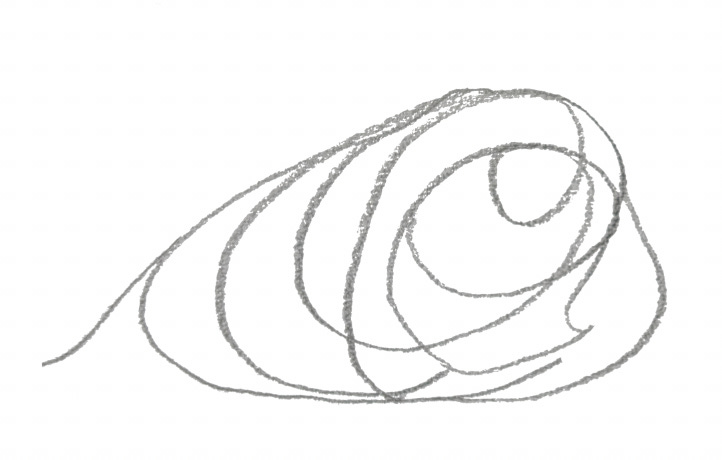
Spaghetti may be the most recognizable pasta in the world, but its familiarity often obscures its importance. Derived from spago, meaning “string” or “twine,” spaghetti became the defining pasta of Southern Italy and eventually the symbol of Italian food itself.
History: While long dried noodles existed throughout the Mediterranean, spaghetti became closely associated with Naples and Southern Italy, where durum wheat and dried pasta production flourished. Its global popularity transformed it from a regional staple to a cultural icon.
Shape: Long, round strands of dried pasta.
Texture: This is where bronze-cut pasta matters; the rougher the surface, the more it helps sauce cling. Overall, firm, elastic, and versatile. Smooth enough to coat evenly, yet substantial enough to carry a range of sauces.
Filling: None.
Sauce: Tomato sauces, aglio e olio, seafood, and countless regional variations.
One Bite: A forkful twisted tightly, carrying equal parts pasta and sauce, one of the most perfectly balanced bites in Italian cooking.
White Wine: Bright, coastal whites with freshness and acidity.
Red Wine: Medium-bodied reds with enough acidity to meet tomato-based sauces.
Final Thought: “Everything you see, I owe to spaghetti.” - Sophia Loren
Linguine
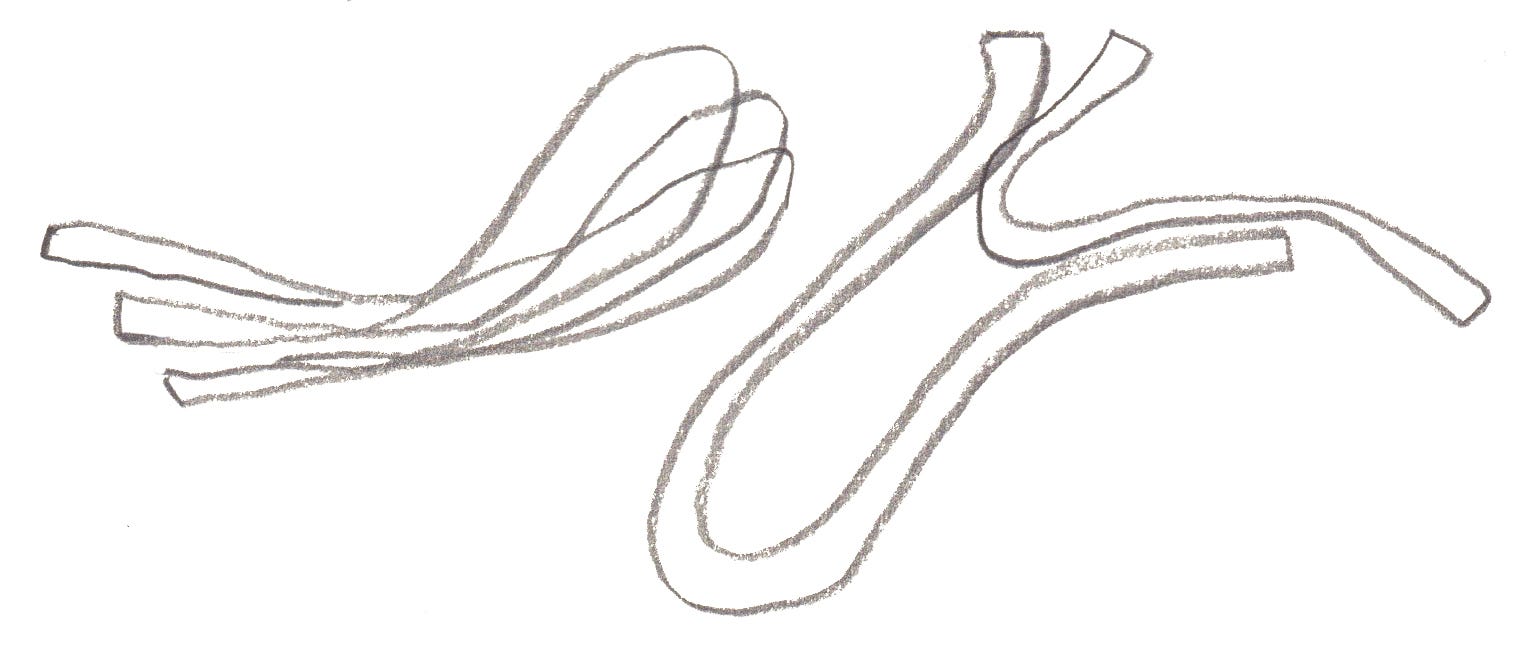
Linguine sits between spaghetti and fettuccine - a flattened strand whose shape feels almost tailor-made for the Mediterranean coast. It is one of Italy’s great seafood pastas.
History: Linguine originated in Liguria, where olive oil, herbs, and seafood dominate the table. The name comes from linguetta, meaning “little tongue,” a reference to its flattened profile. Also known in Genoa as bavette, or “little threads” carrying a similar meaning to spaghetti.
Shape: Long, narrow, flattened strands.
Texture: More surface area than spaghetti, allowing delicate sauces to cling without overwhelming the pasta.
Filling: None.
Sauce: Pesto Genovese, clams, shellfish, olive oil, lemon, and herbs.
One Bite: Pasta coated in olive oil and herbs, carrying the flavor of the sea just behind it.
White Wine: Saline, mineral-driven whites with citrus and freshness.
Red Wine: Rarely necessary. If served, keep it light and cool.
Final Thought: Linguine is proof that pasta can taste coastal.
Pici
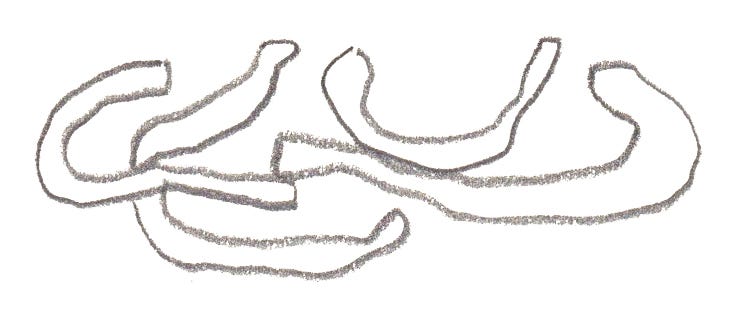
Pici is Tuscany’s answer to spaghetti, larger, rougher, and entirely unconcerned with elegance. Hand-rolled and imperfect, it celebrates the beauty of simplicity and cucina povera, where a handful of humble ingredients can become something deeply satisfying.
History: Pici originated in southern Tuscany, particularly around Siena and the Val d’Orcia. Traditionally made from flour and water alone, it reflects the resourcefulness of rural cooking.
Shape: Thick, hand-rolled strands, irregular by design.
Texture: Chewy, rustic, and substantial. Every strand feels handmade.
Filling: None.
Sauce: Aglione - not just garlic, but the large, rare garlic of the Valdichina, if you can find it - breadcrumbs, olive oil, wild boar ragu, and simple garlic-based sauces.
One Bite: Thick pasta with enough chew to remind you that someone rolled it by hand.
White Wine: Structured whites with texture and savory character.
Red Wine: Tuscan reds with acidity and earthiness.
Final Thought: Pici remind us that perfection was never the goal.
~
If winter gathers around the fire, and spring opens the garden, summer simply sets another place at the table.
In Southern Italy and Tuscany, summer arrives through olive oil, tomatoes, garlic, seafood, and wheat. Long pasta becomes less about architecture and more about rhythm, twirling, sharing, lingering.
Recipes: Throughout our Italian Dinner Party substack, we find spaghetti popping up in three chapters, especially when we lean into spaghetti as a staple of our pantry - spaghetti al limone, aglio e olio, and puttanesca. And in two chapters on pasta alone, we offer a recipe for spaghetti carbonara and spaghetti and clams. Enjoy!
Pasta drawings by our friend, Amber Vittoria.