

Summer pasta, part two. In part one, we plated “spaghetti” and its variants, and now we are trading the long strands for the hollow architecture of tubed pasta. Penne rigate, rigatoni, and paccheri are built to carry sauce inside and out, which means the wine never meets just tomato, eggplant, chile, or meat. It meets the amount of sauce the tube decides to bring along.
Between the first draft of this chapter and dinner, penne and rigatoni switched assignments. Penne rigate went to Sicily with pasta alla Norma. Rigatoni went to Rome with arrabbiata. Paccheri kept Naples and a long-cooked meat sauce.
As for the wine pairings, we mostly followed the regional rules set forth in our mission. Sicily stayed with Sicily. Campania stayed with Campania. However, Lazio got Tuscany. Instead of pouring wines from around Rome with the arrabbiata, I opened a vertical of Podere Le Boncie “Le Trame” from the hills of Chianti Classico. Although Le Trame is technically a Toscana IGT wine, it’s part of the consistent wave of Chianti producers who are willing to think outside the box to make the best wines from their terroir. And after spending an evening in Rome drinking Frascati and Cesanese, we wanted to do what any tourist in Rome would do if they found themselves staring at a bowl of spicy tomato pasta and a wine list: they would probably order Chianti. We decided to take that ordinary act seriously with this mini-vertical of the widely beloved Le Boncie wines.
Before we dig into the food and wine pairings, these are the questions I posed to the table: could Etna’s wines come down to the level of fried eggplant and tomato of the alla Norma? Would Sangiovese calm the chile or turn up the heat in the arrabbiata? Could white wine survive a Neapolitan meat sauce? Would the most ambitious bottles be the most useful ones?
As usual, the table was split.
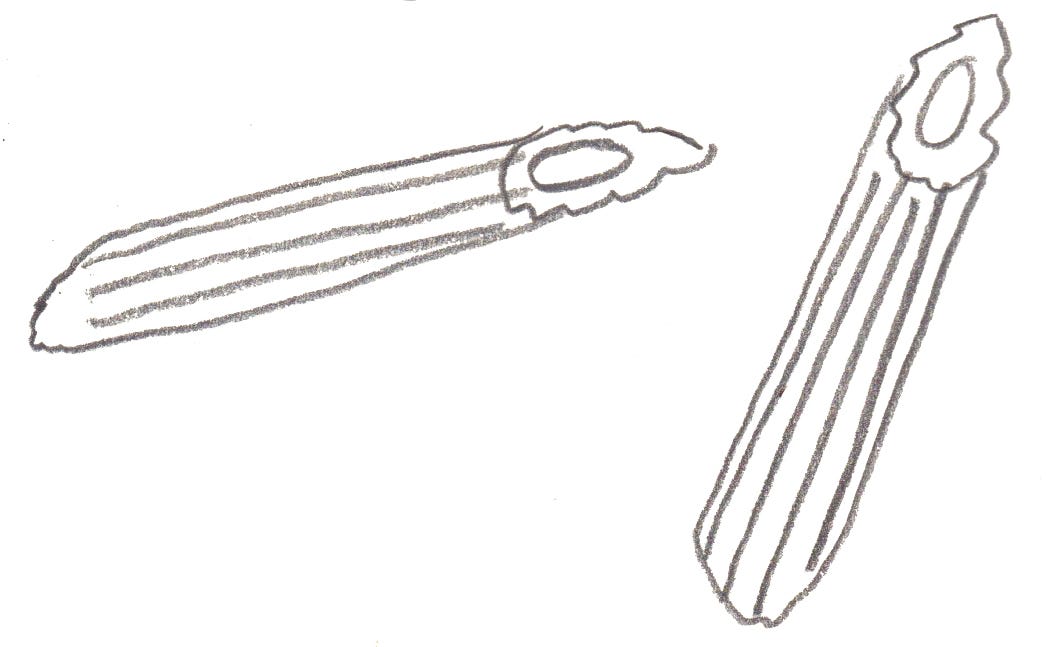
Penne Rigate alla Norma
We began in Sicily with penne rigate alla Norma: hand-crushed San Marzano tomatoes, fried eggplant, ricotta salata, basil, and a healthy amount of olive oil.
The white flight opened with the 2025 Tenuta delle Terre Nere Etna Bianco, a Carricante-led blend from several sides of the volcano. It was fresh, bright, and easy in the best sense. It did not fight the tomato or the eggplant. Some at the table called it basic. In a flight of ambitious wines, basic often wins, and the wine let the dish remain the star of the table.
Next up 2020 and 2019 Benanti Pietra Marina. Both wines 100% Carricante from Contrada Rinazzo in Milo, on Etna’s wet, sea-facing eastern slope. The wines had a hint of smoke above a dense and rich sea foam. The noses were to die for. Then we ate, and our palates never quite jived with the dish.
We had seen this before with Marisa Cuomo Fiorduva and a couple of the Quintodecimo wines in our first summer dinner. A wine can be revelatory on its own and still make a casual plate feel secondary. Pietra Marina did not fail. The pairing did. The pasta couldn’t match the wines’ seriousness, and the wines did not make us want another bite; just another sip.
Then came the 2024 COS Rami, a skin-contact white made from Grillo and Inzolia. (Almost) everyone hated it. Yet a few admitted that the wine worked with the eggplant. Its tannin and savory bitterness found the fried eggplant skin, oil, and ricotta salata in a way the cleaner whites did not. Nobody suddenly loved the wine. But the food gave it a reason to be at the table. We will embrace a small victory!
The red wines made Sicily look even less like one place. The 2024 Gulfi Cerasuolo di Vittoria, a blend of Nero d’Avola and Frappato, split the room. Some thought it was an easy wine. Others thought its cherry fruit, perfume, and modest tannin were exactly right for the dish. The same quality was being used as both insult and evidence. Sometimes easy is not a lack of seriousness. Sometimes easy means the wine understood its place on the table.
The 2024 Tenuta delle Terre Nere Etna Rosso brought smoke, red fruit, and a darker aromatic tone. A few of us worried about oak, but what we were reading as wood may have been smoke, reduction, or the volcanic nuances we were already primed to find from the slopes of Etna. Unfazed by the pairing here.
The 2024 Passopisciaro Passorosso was deep, nuanced, and rich, with an iron streak running through its aroma and flavor. It was one of the more complete young reds in the flight, but it did not win the pairing. Again, the best wine and the most useful wine refused to be the same thing.
The 2016 Calabretta Nerello Mascalese Vigne Vecchie was the argument in the room. Calabretta works with old vines, long macerations, and as many as six or seven years in large old casks before release. Some tasters found the wine aged, lean, and thin and wondered why it felt so old. Fair enough. As for the pairing, the brightness of the dish remained a little too youthful for the pairing.
There was no clean winner in Sicily. The alla Norma did not reward prestige, age, or volcanic expression and importance. It rewarded freshness, flexibility, and a willingness to let eggplant remain bitter, and tomato remain tomato. The simplest red may have understood the assignment best. The least popular white found one of the evening’s most defensible connections. The great Carricante wines were better wines than pairings. Boh.
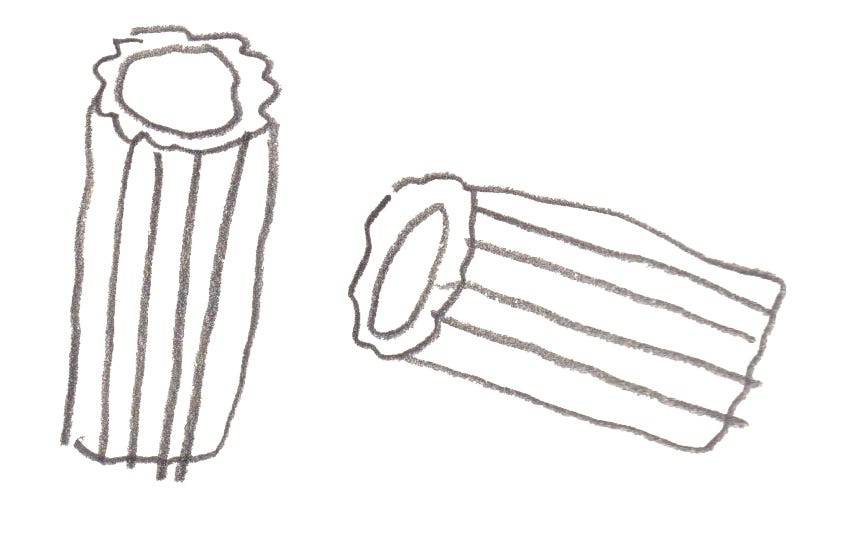
Rigatoni all’Arrabbiata
The second course moved north to Lazio. Rigatoni all’arrabbiata, “fiery, spicy, angry,” featured San Marzano tomatoes, passata, garlic, and chile. And for wines, we brought five vintages of Podere Le Boncie Le Trame from Tuscany.
We called it our Chianti flight in the loose, wine-list sense. Giovanna Morganti withdrew Le Trame from Chianti Classico classification and now releases it as Toscana IGT, but the estate sits near Castelnuovo Berardenga and speaks the language of the place: Sangiovese, farmed biodynamically, wooden fermenters, and used Stockinger botte in the cellar, herbs, iron, sour cherry, earth, acid, and the grain of tannin in the glass.
Red chile can be unforgiving. Alcohol can make it hotter. Tannin can become dry and combative. Acidity can refresh, but it can also sharpen both tomato and spice. This was not a question of whether Sangiovese belongs with tomato. It was a question of which Sangiovese, based on Mother Nature and vintage characteristics, could keep its balance once the tomato got angry.
The 2021 Le Trame was young, concentrated, and exciting. With the pasta, wine and dish moved in parallel. Neither transformed the other, but each kept pace. Maybe that is one definition of a good pairing: two things walking step by step without interrupting the other’s rhythm?
The 2020 carried more generosity in the glass, which the group read as sweetness or richness, and allowed it to sit on the same page as the tomato and chile. It absorbed the heat without trying to erase it.
The 2019 was the disappointment with the pasta. Its tannins felt drying, and the wine offered little companionship or elevation to the arrabbiata. When the salad course arrived: a salad of tomatoes, fried capers, sourdough croutons, and bottarga; suddenly the wine was impeccable. Salt, crunch, acid, and the savory depth of bottarga gave the tannin a purpose. The wrong wine for the pasta course became the right wine for the dinner.
The 2018 was glorious and abundant on the nose, the kind of wine you wanted to sit with for a few hours. Its lighter weight on the palate, however, integrated gently with the sauce. It did not dominate the chile, and it did not disappear either.
Did Tuscany belong with Rome? At the table, the regionality rule of this endeavor hardly felt broken at all. The 2021 and 2020 did the most useful work. The 2018 slipped into the dish through perfume and lightness. The 2019 missed the pasta and found the salad.
No vintage was universally superior, and it is a humbling reminder that wine pairing is not a math problem to be solved, but a living dialogue between Mother Nature, the producer’s style, the chef’s hand, and the taster’s palate.

Paccheri with Neapolitan Meat Sauce
By the third course, the sauce had become dangerous. The paccheri arrived with San Marzano tomatoes, passata, beef stew, pork ribs, and a red wine reduction. This was less a strict Neapolitan meat sauce than an elevated Italian-American Sunday sauce with Naples in its bones. It was dense, savory, sweet from long cooking, and full of umami.
Paccheri made the pairing even more demanding. The large tubes carried sauce inside and out, sometimes hiding a piece of meat and sometimes delivering a nearly bare bite. The wine had to survive both concentration and surprise.
We began with two Mastroberardino whites: the 2024 Falanghina del Sannio and the 2023 Lacryma Christi del Vesuvio Bianco, made from Caprettone; i.e., Coda del Volpe. Both are fermented in stainless steel without oak, but they describe different Campanias. Falanghina brings the inland hills, flowers, citrus, and lift. Lacryma Christi brings Vesuvius, yellow fruit, smoke, and a broader texture.
Neither did much for the dish. I hate to be the one to say it out loud, but the whites were overmatched. Acid and umami can work, and white wine can be brilliant with tomato, but acid is not a chainsaw. It cannot cut through everything simply because we ask it to. The meat, reduction, and concentrated sauce swallowed the wines whole. They may have refreshed between bites, but they did not become part of the sauce.
Then came the two Mastroberardino reds, and the course settled into place. The 2019 Radici Taurasi and 2017 Radici Taurasi Riserva are both 100% Aglianico, built through long aging in oak casks followed by years in bottle. They were bright, fruitful, balanced, and fully integrated with the dish. The sauce gave the tannin its job. Fat and meat softened the wines, while Aglianico’s acidity returned us to the tomato. These were the two clear winners of the course.
Montevetrano offered a different version of Campania. The 2020 Core Rosso is 100% Aglianico, but its time in new French oak gives it a more immediate, polished frame. The 2020 Montevetrano goes further, blending Aglianico with Cabernet Sauvignon and Merlot and leans into concentration, long maceration, and new barrique.
There was general appreciation for Montevetrano. It was a big, Western-style red wine, dark, composed, and built to be more drinkable in its youth. Then the table began discussing why the wine existed and what its winemaking was trying to accomplish. Once the conversation leaves the plate and moves into strategy, ambition, and the wine’s purpose in life, the pairing has probably already lost.
Core and Montevetrano fell short that night. They may belong on another table, with another dish, at another time. The Radici wines did not need to explain themselves. They met the meat, carried the tomato, and made the paccheri feel right at home.
Campania gave us the cleanest answer of the evening. Regional identity was not guaranteed by origin or even by the presence of Aglianico. It appeared when the wine behaved like part of the meal. The most traditional wines were not merely correct. They were useful.
And Here We Are
The tubes looked like the theme, but they became part of the experiment. Penne rigate delivered tomato, eggplant, and ricotta in an even, complete bite. Rigatoni gave the arrabbiata more reach and made every encounter with chile more consequential. Paccheri stored the sauce inside, then released it all at once. Shape changed the amount of sauce the wine had to answer to.
Sicily showed us that an important wine can be too serious for a casual dish, while an easy red can be exactly right. Tuscany showed us that the map can bend when crossing borders makes sense. Campania showed us that white wine cannot survive on acidity alone, and that the biggest red is not automatically the strongest partner.
We went into dinner asking whether regional wine belongs with regional cooking and food. We left with a less orderly question: what if belonging is not only a matter of address, but of behavior? The wines that belonged knew when to brighten tomato, when to absorb chile, when to accept eggplant, and when to bring enough tannin for meat. They did not need to be the greatest wines in the room. They needed to keep us eating.
~
Pasta illustrations by our dear friend and artist, Amber Vittoria.
Mezza bottiglia nella pentola e una bottiglia intera sul tavolo…
Sometimes adding the very wine you wish to pair with the dish into its cuisson helps alleviate all the fuss and brouhaha…