
Spring: The Garden Pastas
A Year in Pasta

In our first chapter, form defined the dish: the folds, the fillings, the structure. In Rome, sauce led and pasta followed.
Spring pastas feel lighter on the table and brighter on the palate. Herbs replace fat. Walnut and pesto replace broth and guanciale. The flavors become greener, softer, and more aromatic. If winter pasta asks for weight and warmth, spring pasta asks for a mortar, a handful of herbs, and restraint.
Liguria dominates much of this season, with thin doughs, delicate shapes, and sauces built from olive oil, nuts, greens, and cheese. The coastline matters in Liguria. So does the garden.
And then there is Cjarsons, arriving from the mountains of Friuli like a strange and beautiful detour.
Let’s get into it.
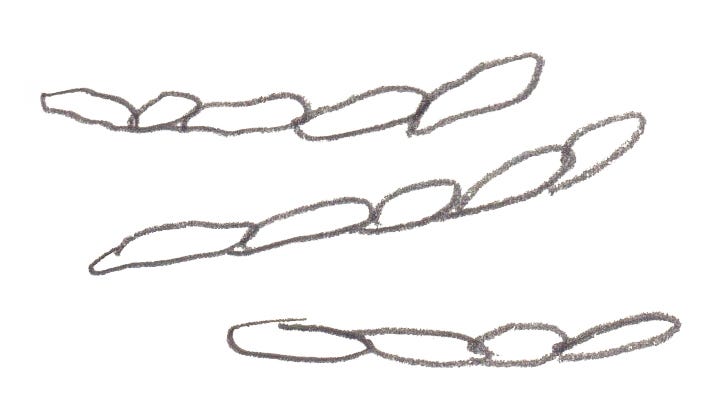
Trofie
Trofie are among Italy’s great examples of pasta and sauce becoming inseparable. Hand-rolled and twisted by palm and pressure, they were built for pesto long before pesto became the global shorthand for green sauce.
History: Trofie originate in Liguria, where their shape evolved alongside pesto Genovese. The name likely comes from strufuggia (“to rub”), describing the rolling motion used to form them.
Shape: Small, twisted, hand-rolled pasta. Short, irregular, and tapered at the ends.
Texture: Dense, chewy, slightly elastic. Built to grip sauce in every crease.
Filling: None.
Sauce: Pesto Genovese: basil, pine nuts, garlic, Parmigiano, Pecorino, olive oil.
One Bite: Twisted pasta coated in basil and olive oil, with the garlic and cheese arriving slowly behind it.
White Wine: Saline, herbal whites with freshness and subtle texture.
Red Wine: Rarely necessary, but very light reds served cool can work. Maybe.
Final Thought: Trofie and pesto are less a pairing than an institution.
Recipe & Video: The Italian Dinner Party, Pasta! See how it is made here.
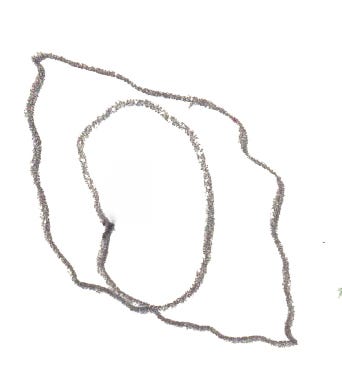
Pansotti
Pansotti are Liguria’s softer, stranger cousin to ravioli, filled with wild herbs, greens, and cheese, then dressed in walnut sauce that somehow feels rustic and luxurious at the same time.
History: Pansotti and Liguria are inextricably tied, where foraged greens and herbs shape much of the region’s spring cooking. Their name comes from pansa (“belly”), a reference to their swollen shape.
Shape: Large triangular or half-moon stuffed pasta. Loose and slightly irregular.
Texture: Tender pasta with soft, herbaceous filling. Walnut sauce adds weight without heaviness.
Filling: Wild greens, herbs, ricotta, and cheese. Traditionally, whatever spring offers first.
Sauce: Walnut sauce, earthy, creamy, slightly bitter.
One Bite: Herbs first, then walnut, then cheese. Green and earthy at the same time.
White Wine: Textural whites with subtle bitterness and savory lift.
Red Wine: Very light reds, if at all. The sauce prefers restraint.
Final Thought: Pansotti should taste like spring trying to wake up after winter.
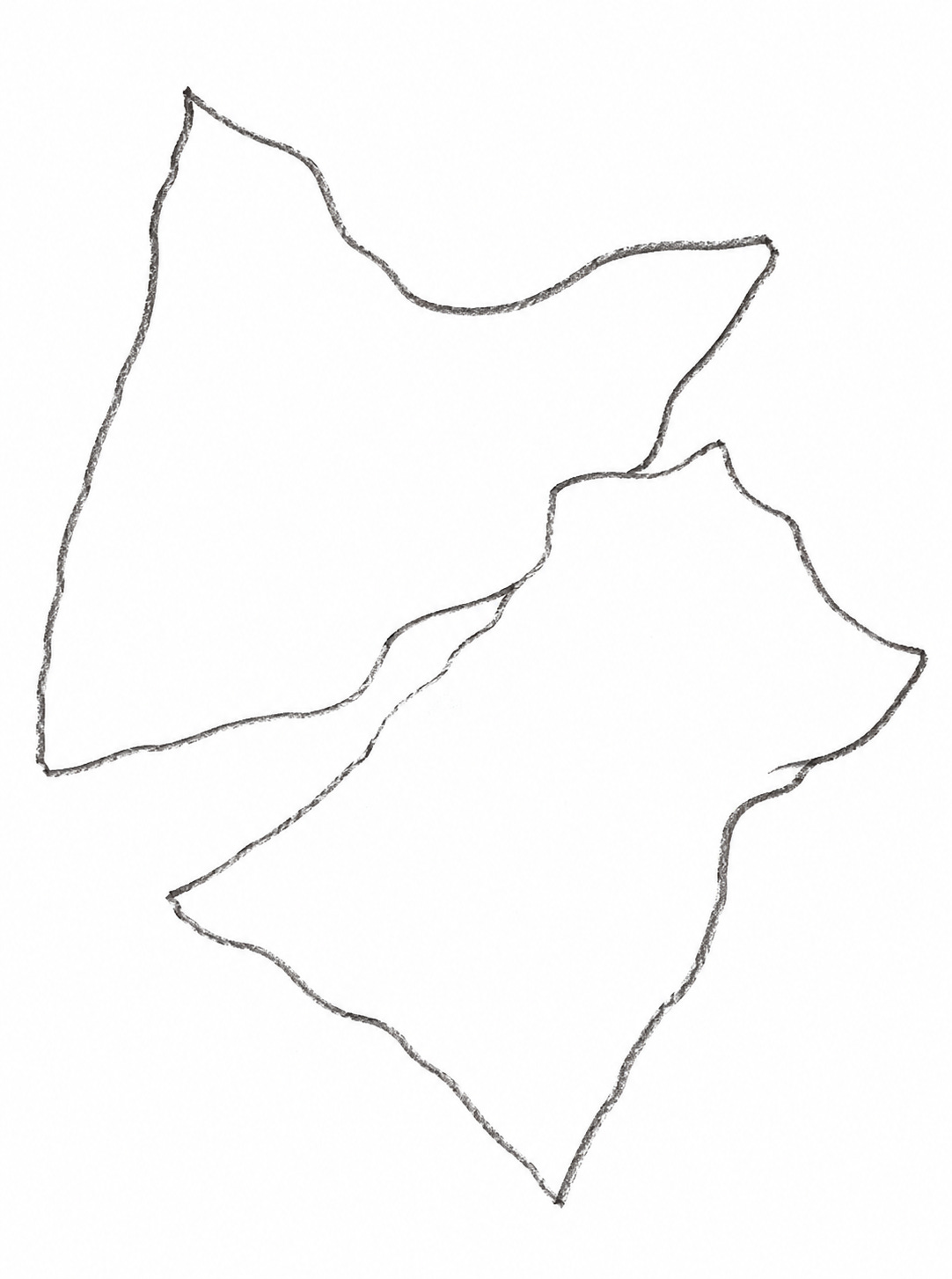
Mandilli de Saea
Mandilli de Saea may be the most delicate pasta in Italy. Their name translates to “silk handkerchiefs,” and when made correctly, they almost disappear beneath the sauce.
History: Found in Liguria and parts of north-central Italy, mandilli reflect a tradition of exceptionally thin hand-rolled pasta sheets paired with pesto.
Shape: Large, thin sheets of pasta folded loosely like fabric.
Texture: Silky, delicate. More drape than bite.
Filling: None.
Sauce: Pesto Genovese, lightly applied. Anything heavier overwhelms them.
One Bite: Thin pasta collapsing into basil, olive oil, and cheese with almost no resistance.
White Wine: Elegant whites with floral lift and gentle acidity.
Red Wine: Difficult. Not impossible. Keep it chilled and restrained, no tannin.
Final Thought: Mandilli are proof that delicacy can still feel balanced and complete.
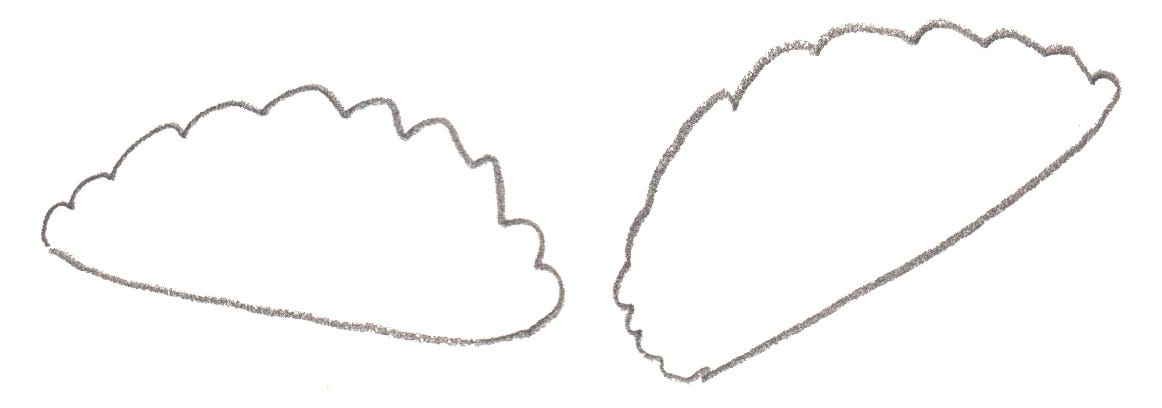
Cjarsons
Cjarsons are one of Italy’s most unusual pastas: sweet, savory, herbal, and impossible to place neatly into a category. They feel less like canonical Italian pasta and more like the memory of several borders meeting at once.
History: Cjarsons come from the Carnia region of north-west Friuli-Venezia Giulia, where trade routes and migration brought together Slavic, Austrian, and Venetian influences. Traditionally eaten in warmer months, their ingredients often reflected what travelers and spice merchants carried home.
Shape: Filled half-moon or dumpling-like pasta, rustic and hand-formed.
Texture: Soft and delicate, often richer in filling than dough.
Filling: Herbs, ricotta, raisins, spices, sometimes chocolate or cinnamon. Sweet and savory together. Oh, wow.
Sauce: Butter, smoked ricotta, herbs.
One Bite: Butter and herbs first, then sweetness arrives unexpectedly behind the cheese and spice.
White Wine: Aromatic whites with texture and Alpine freshness.
Red Wine: Light reds with low tannin and subtle earthiness.
Final Thought: Cjarsons remind you that Italy was never one flavor or one language.
~
In Liguria and Friuli, spring arrives through herbs, walnuts, peppery young olive oil, and delicate doughs, proof that Italian pasta is as much about season as it is shape.
~
Pasta drawings by our friend, Amber Vittoria.
My pesto always turns brown—like immediately. I've long wondered whether it is caused by the acidity of the olive oil. Do you have any insights about this problem?
Say more about the local olive oils.