
A Year in Pasta
Notes on Seasons, Shapes, Sauces, and Wine

During the winter holidays, I began working on something that has taken on a life of its own: pasta. Not cooking it, reading about it. Not its technical origins or debates about where it came from, but the way Italians have made it entirely their own. I can’t think of another food with quite so many variations.
I compiled a list of nearly 70 pastas and then began the work to categorize them, not just as dishes, but as a way of understanding Italian culture, regional identity, seasonality, celebrations, food, and wine.
As seasons change, shapes on the plate change. Sauces change. The weight of the food shifts with the weather. And so does the wine.
Later this month, together with my tasting group here in Napa, we’re starting a year-long exploration of pasta through the lens of seasonality. Each month, we’ll cook three to four pastas that reflect how that moment in the year feels - not every possible dish, but enough to walk away with a few favorites in our repertoire. With each pasta, we’ll pair a white and a red wine from the same region, thinking less about rules and more about texture, mood, and balance.
Winter pastas will lean into comfort, structure, and richness: egg-rich doughs, filled shapes, broths, and butter
Spring pastas crave tension and lift, herbs, and freshness: green sauces, and wines that feel like sea air
Summer will be about tomatoes, olive oil, seafood, and heat
Fall will be earthy, savory, heartier, and meatier
Rome, of course, gets its own chapter. The sauces are too iconic, too eternal, to squeeze into a single month of weather.
We’ll begin with Winter, then move into Rome in March, then roll through Spring and Summer, transition to the Fall in September, and close the year with Winter pastas and the holidays.
What to expect.
Along the way, I’ll be sharing what I’m learning here, pasta by pasta, using a short, opinionated format about how these pastas actually behave on the plate: the time, the place, the texture, the sauce and wine affinity, and more. After each group dinner, I’ll come back and layer in the wine pairings once they’ve been tested at the table.
Some statistic somewhere counts over 400 pasta shapes in Italy. The Walmart website has 19 pasta shapes available to us and over 90 variations. I compiled 70 pasta shapes, edited that list down to 33 core pastas, and identified 15 iconic versions that we shouldn’t live without. But this isn’t about mastery. It’s about paying attention, and this year I want to pay more attention.
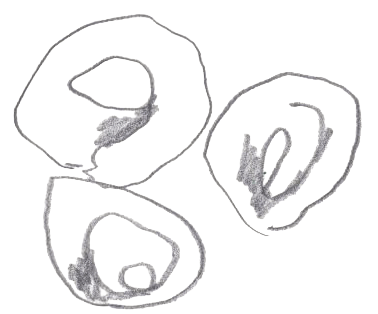
As an Italian-American, this also feels a bit like my “nonna’s book” on pasta; my nonna, Matilda (Tilly), didn’t keep a book, so maybe this is a bit of my desire to write it all down. I ask only this: keep me honest, and keep me focused. I am sure this will evolve, and hopefully it will be useful. Next week, I will post our winter “menu” of filled pastas. Do me a favor: give it a read, and give some feedback. And check out this awesome charcoal drawing of tortellini by Amber Vittoria .
Food & Wine....the real History of the World.
Sounds like a trip to Italia is warranted in the name of “research” 🍝 🤓